EV Charger Installation in Tucson: Level 1 vs. Level 2 and What Your Panel Must Support
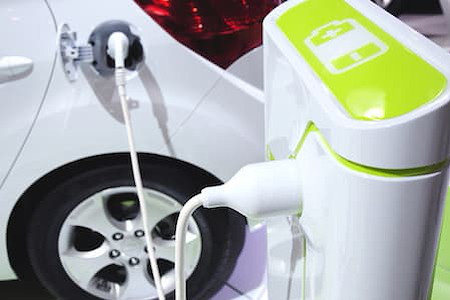
If you’re bringing an EV home in Tucson, the first big decision is how you’ll charge it. Level 1 works from a standard outlet. Level 2 charges much faster, but it needs the right circuit and enough panel capacity. This guide breaks down your options in plain language and explains what your electrical system must support so your setup is safe, convenient, and ready for daily life. If you want help right away, our licensed team specializes in ev charger installation for local homes and small businesses.
What Level 1 Charging Looks Like in a Tucson Home
Level 1 charging uses a standard 120-volt outlet and the portable cord that comes with most vehicles. It’s simple and requires no new circuit in many homes. You’ll typically add modest range per hour, which can be enough if you drive short distances or own a plug‑in hybrid.
Level 1 can be a fit when you:
- park overnight for 10 to 12 hours and only need a small daily top‑off
- live in a rental where adding a new 240‑volt circuit is not allowed
- want a temporary solution until your electrical panel is upgraded
Still, Level 1 has limits. Tucson commutes, weekend trips to Oro Valley or Vail, and summer driving with the A/C running can all push you to recharge more. If you want full overnight refills and less planning, Level 2 is the practical choice.
Why Most Tucson Drivers Choose Level 2
Level 2 charging uses a dedicated 240‑volt circuit sized to your charger and vehicle. It’s the sweet spot for fast, dependable overnight charging. Many homeowners pair it with schedule settings so the car charges while they sleep.
- overnight “full” charges for most daily driving needs
- dedicated circuit reduces nuisance breaker trips
- hardwired or plug‑in options to match your garage layout
- smart features like charge scheduling and usage tracking
Level 2 charging needs a dedicated 240‑volt circuit sized to the charger and verified by a proper load calculation. That calculation confirms your main service and panel can handle the extra demand along with A/C, cooking, laundry, and everything else running in a typical Tucson home.
What Your Electrical Panel Must Support
Your panel is the heart of safe charging. Three questions determine if it’s ready for Level 2.
Main Service Capacity: Is There Enough Headroom?
Many Tucson homes have 100‑amp or 200‑amp service. A load calculation compares your home’s peak demand to your service size. Houses with 200‑amp service usually have more room for a Level 2 circuit. Homes with smaller or older panels may need upgrades for safe operation. Older, crowded panels can be undersized for a high‑output charger when combined with today’s appliances and HVAC needs.
If your panel is near capacity or shows signs of age, explore electrical panel upgrades before picking a charger. For more background, this article explains the warning signs to look for: signs your home needs an electrical panel upgrade.
Dedicated Circuit and Breaker Sizing
Level 2 setups are matched to a specific breaker size and wire gauge. The circuit rating must support the charger’s continuous load with a safety margin. Your electrician selects the breaker and wiring to meet manufacturer specs and electrical code, then verifies performance under load. Never share an EV circuit with other outlets or equipment because that increases heat and tripping risk.
Location, Wiring Run, and Cable Management
Short, direct wiring runs are efficient and often more affordable. In many Tucson homes, the cleanest path is from the main panel in the garage to a nearby charger location with good cable reach. If your panel is on the opposite side of the house or your carport is detached, your electrician will plan a code‑compliant route, weather‑rated materials, and neat cable management so daily charging is simple and safe.
Permits, Inspections, and Safety
For homeowner peace of mind, a permit is commonly required when adding a new 240‑volt circuit or upgrading a panel. Exact requirements vary by jurisdiction and by the scope of work in each home. Your licensed electrician will handle the paperwork and schedule inspections so your installation is documented and compliant.
Inspections aren’t red tape. They are a second set of expert eyes checking equipment ratings, wire sizing, grounding, overcurrent protection, and labeling. That official sign‑off protects your family and your home insurance while ensuring the equipment performs the way the manufacturer intended.
Tucson-Specific Considerations
Our desert climate brings unique design choices. Summer heat can raise garage temperatures, so placement with airflow and shade helps extend component life. Monsoon season adds wind‑driven rain, which is why outdoor gear needs the proper weather rating and drip loops to shed water. Neighborhoods from Catalina Foothills to Rita Ranch often have different panel ages and layouts, so one‑size‑fits‑all advice rarely works.
Choosing the Right Equipment
Picking a charger isn’t only about speed. Think through daily habits and the space you have.
Hardwired vs. plug‑in: Hardwired units provide a permanent, clean look and can be set to higher output when the circuit supports it. Plug‑in versions (often using a 240‑volt receptacle) offer flexibility if you might relocate the charger in the future. Your electrician will match the charger to the circuit rating and available capacity.
Smart features: Wi‑Fi or Bluetooth connectivity lets you schedule charging and track energy use. This is handy if your household’s routine is predictable. It can also help align with utility off‑peak times if you want to shift charging to overnight hours.
Cable length and holster: A slightly longer cable makes parking easier and reduces strain on connectors. A good holster keeps the nozzle clean and out of the way. Neat cable management prevents trip hazards and protects the cord from damage when kids, pets, or gear move through the garage.
Level 1 vs. Level 2 at a Glance
- level 1: uses a standard 120‑volt outlet; slow but simple; good for light, predictable driving
- level 2: dedicated 240‑volt circuit; faster daily refills; best blend of speed and convenience
If you plan to own your EV for years, Level 2 usually delivers the best everyday experience. It also helps during busy seasons when errands stack up, like back‑to‑school runs or holiday trips across town.
What the Installation Process Looks Like With CGR Development LLC
Our process is designed to be straightforward and stress‑free. We start with a site visit to learn where you park, how you drive, and what your panel can support. Then we perform a load calculation, recommend equipment, and map an installation that keeps the wiring clean and the charging cable within easy reach.
We handle permits and inspections, coordinate schedules, and complete the installation with safety testing and labeling. You get a walkthrough on how to use the charger and set up scheduling features. If an upgrade is the right call, we’ll line it up before installation so the project moves smoothly.
Curious about timeline and next steps? See how panel work supports charging reliability by visiting our electrical panel upgrades page, then skim the related blog on signs your home needs an electrical panel upgrade. Together, these explain how capacity, circuits, and safety checks fit into the bigger picture.
Where To Put the Charger for the Easiest Daily Routine
Good placement makes charging a habit you never think about. In attached garages, the best spot is near the vehicle’s charge port with enough slack to connect without stretching the cable. In carports or along driveways, the charger should be on a protected wall or sturdy post with the right weather rating and room to coil the cable.
If your main panel is far from the parking spot, a clean, code‑compliant route is still possible. Your electrician may recommend a slightly different charger location or a hardwired unit to keep the setup sturdy and tidy.
Get Local Help From A Licensed Team
From central Tucson to Tanque Verde and Catalina Foothills, we’ve seen garages and panels of every shape and age. We match the charger to your home so it works day after day, summer to winter, without surprises. If you’re early in your research and want a simple starting point, you can learn more about our ev charger installation service or explore other electrical upgrades across our site.
When you’re ready, you can also read more about our company or start at the home page. Many locals begin with ev charger installation in tucson resources to get a feel for timing and next steps, then call for a quick site visit.
Ready to Charge Faster Every Night?
Bring home the convenience of Level 2 with a setup that’s safe, neat, and sized for your panel. Schedule with CGR Development LLC at 520-486-6180 and we’ll handle the details. To get started now, book through our ev charger installation page and we’ll follow up with a friendly call to confirm your visit.
Fast Response Time
We'll respond to your inquiry within 48 hours.
Highly Recommended
We pride ourselves on delivering the best quality and service.
Community Focused
We value our neighbors and community - we'll treat you like family.